
Uthrive: Rewards & Cashback
Uthrive.clubFinance
4.287.00 Reviews
- Version
- 2.3.7
- Installs
- 10.00K
- Age Rating
- Everyone
Screenshots
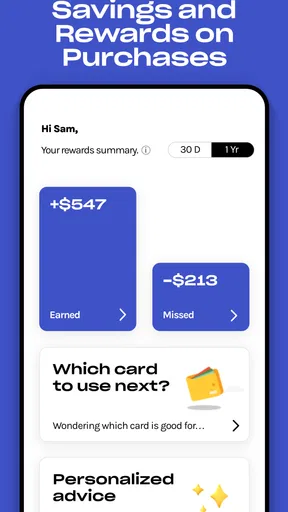
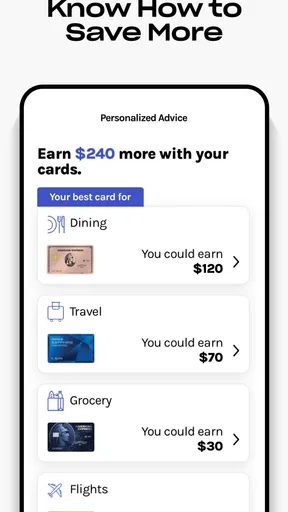
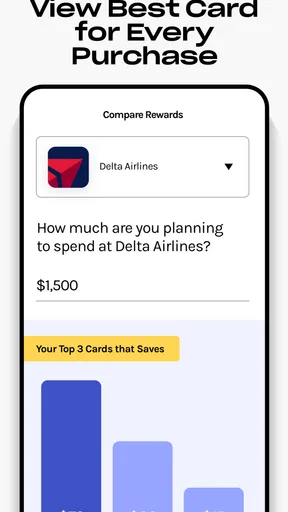
Our Review of Uthrive: Rewards & Cashback
 Analysis by Appyee
I approached Uthrive: Rewards & Cashback as a practical finance app rather than a game or a general budgeting tool. Its main appeal is helping people notice available credit-card offers and cashback opportunities without checking every merchant or card program manually. That sounds simple, but the real value depends on how smoothly it fits into your normal spending routine, how quickly offers appear when you need them, and whether the reward is worth the extra attention.
After spending time with the app, my impression is that it works best as a quiet companion to an existing credit-card strategy. I would not treat it as a replacement for reading card terms, checking an account statement, or comparing cards before applying. Instead, I see it as a way to reduce the number of offers I might otherwise overlook. The app is free to install, although it includes optional purchases ranging from ten cents to $69.99 per item, so I would still review any payment screen carefully before confirming anything.
How the cashback experience feels in everyday use
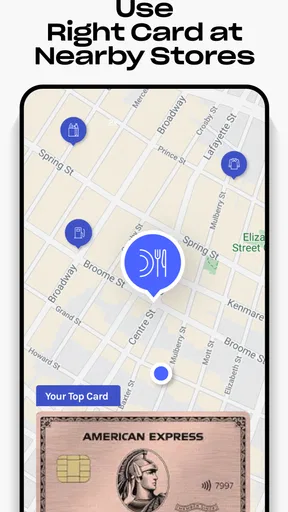
The first thing I noticed is that the app is built around convenience. Its store summary focuses on unlocking more than $400 in cashback, automatically activating offers, and making better use of credit cards. I read that as a promise of organization and timing, not as guaranteed income. Cashback always depends on the offer, the merchant, the card, and the conditions attached to the transaction. The app can make those opportunities easier to spot, but it cannot turn every purchase into a reward.
That distinction matters because finance apps can create a false sense of savings. If I buy something I did not need simply because a reward is available, I have not really saved money. My most sensible use for this app is before a planned purchase: I check whether an offer applies, confirm which card should be used, and then decide whether the reward changes the best place to shop. That extra pause is more valuable than chasing every small promotion.
The interface feels most useful when I treat it as a filter. Rather than browsing every possible deal, I look for offers connected to spending I already expect, such as household supplies, travel bookings, or a recurring online order. This workflow keeps the app from becoming another source of noise. It also makes it easier to judge whether the reward is worthwhile after considering shipping, taxes, minimum-spend rules, exclusions, or a higher merchant price.
Speed expectations and the value of automatic activation
Automatic offer activation is the feature that can save the most effort, at least in principle. The benefit is not that the app makes a purchase instant; the benefit is that it may reduce the number of steps between discovering an offer and using it. For someone who regularly forgets to activate promotions, that can be more useful than a crowded list of deals.
I would still avoid assuming that every offer becomes active at the exact moment I open the app. Financial promotions often have their own timing and eligibility conditions, and the safest habit is to check the offer details before paying. If a purchase is urgent, I would not delay it while waiting for a reward to appear. A possible cashback amount is not worth missing a delivery deadline or choosing a worse price.
The app’s perceived speed also depends on how much information I ask it to process at once. A quick check for one retailer is a light task. Comparing multiple cards, merchants, and categories takes more concentration, even if the app itself responds promptly. In practice, I get the best experience when I open it with a specific purchase in mind instead of treating it like an endless shopping feed.
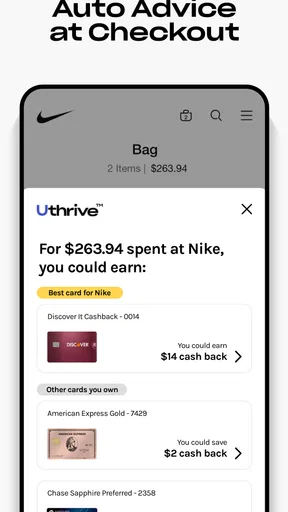
One useful habit is to check offers before adding products to a cart, not after reaching the payment screen. That gives me time to compare the reward with the normal price and to switch cards if appropriate. It also prevents a common mistake: assuming that an offer applies because the merchant name looks familiar when the actual terms may cover only selected products, channels, or purchase types.
What happens during heavier use
Heavy use for this app is less about demanding graphics and more about repeated financial decisions. A busy shopping week might mean opening it several times, checking different merchants, and reviewing which card is best for each purchase. That kind of use makes organization more important than visual effects. I find the app most comfortable when I keep my process deliberate rather than rapidly jumping between unrelated offers.
For people managing several credit cards, the app can become more valuable and more complicated at the same time. More cards create more chances to find a suitable reward, but they also create more opportunities for confusion. I would keep a simple personal rule: use the app to identify a possible offer, then verify the card, purchase conditions, and expected reward before completing the transaction. That second check is especially important when the cashback is capped or requires a minimum spend.
A realistic example would be planning a large household purchase. I might open the app before shopping, look for a relevant merchant offer, compare the available card choices, and then calculate the actual benefit after delivery charges. If the reward requires spending more than I planned, I would not add unnecessary items merely to qualify. This is where the app helps with awareness, but personal discipline still determines whether the result is a real saving.
Another non-obvious use is reviewing a planned recurring expense before it renews. A subscription or regular order can be easy to ignore because it feels automatic. Checking the app beforehand may reveal an applicable offer, but I would also confirm that the reward does not depend on a first-time purchase or a special checkout route. The app is most helpful when it prompts that review; it is less helpful if I assume recurring payments always qualify.
Reliability, trust, and the limits of reward tracking
With any cashback service, reliability is not just whether the screen opens. I also care about whether the offer is understandable, whether activation is clear, and whether I can later explain why a reward should have applied. That is why I would save confirmation details for meaningful purchases, especially when the reward is large enough to justify follow-up. A finance app should support careful habits, not encourage blind trust.
The developer is Uthrive.club, and the app has an average rating of 4.2 from around 281 ratings, with about 87 written reviews. Those figures suggest that many users find value in the concept, while also reminding me that a rating cannot guarantee that every offer will suit every cardholder. Cashback experiences vary according to spending patterns, location, card eligibility, and how carefully users follow each promotion’s conditions.
I also pay attention to the difference between an offer being displayed and a reward being credited. The app may help surface or activate a promotion, but the merchant or card program may still control the final qualification. If I were using the service for a high-value purchase, I would read the terms, keep the receipt, and monitor the relevant account afterward. That is not unnecessary caution; it is the normal way to handle any rewards program.
One practical limitation is that cashback can make spending feel more rewarding than it really is. The app’s central idea is attractive because it turns overlooked offers into visible opportunities. However, users who already have difficulty controlling discretionary purchases should set a budget before opening it. I would recommend deciding what I intend to buy first and using the app second, rather than browsing offers and letting them determine my shopping list.
Device constraints and who will get the most from it
The app supports devices running Android 6.0 or later, which makes it accessible to people who are not using the newest phone. It is a relatively focused finance tool, so I would expect it to be less demanding than a modern game or a media-heavy social app. Still, the overall experience can be affected by an older device, limited storage, background restrictions, or an unreliable connection. Those are practical concerns when an offer must be checked close to checkout.
I would install it on a phone I use for shopping and financial tasks, rather than on a rarely used spare device. That makes it easier to check an offer at the right moment and reduces the chance that I forget which account or card I intended to use. On an older phone, I would keep the operating system supported, close unnecessary apps if the interface feels sluggish, and avoid relying on the service as the only record of a promotion.
The current version is 2.3.7, and the app is rated for Everyone. That combination makes it approachable for a broad audience, but an age rating does not mean every user should make financial decisions without supervision. Younger users or anyone unfamiliar with credit cards should understand that cashback is not the same as a discount at the register and that card balances still need to be paid responsibly.
The app is a better match for organized shoppers, frequent card users, and people who regularly miss activation deadlines. It is less suitable for someone who wants a complete budget, debt payoff plan, investment dashboard, or bank-account replacement. Those tasks belong to other finance tools. I would also skip it if I rarely use credit cards or if the effort of checking offer terms feels more annoying than the possible reward.
Resource demands and the cost of attention
From a user’s perspective, the largest resource demand is likely attention rather than processing power. Cashback apps can be lightweight on a phone while still asking users to compare conditions, remember card choices, and verify transactions. That mental effort is worthwhile only when the purchase is large enough or frequent enough to justify it. For a small one-off purchase, I may prefer the simplicity of paying with my usual card.
There is also a time trade-off. Automatic activation can reduce routine work, but it does not remove the need to understand what has been activated. I would not let the convenience feature replace a quick review of the offer’s exclusions. The best balance is to use automation for discovery and activation, then reserve manual checking for purchases where the reward, merchant, or card choice is important.
Another useful technique is to separate “possible reward” from “confirmed reward” in my own notes. I might mark an offer as possible when I see it in the app, then treat it as confirmed only after checking the terms and completing the purchase correctly. This simple distinction prevents me from counting expected cashback as money already saved. It also makes the app more useful for realistic household planning.
How it compares with ordinary alternatives
The usual alternative is to manage rewards directly through each credit-card issuer. That approach may provide more authoritative account information, but it can require visiting several apps or websites and remembering where each promotion lives. Uthrive’s appeal is bringing the discovery process closer to one place. I prefer it when I have multiple cards and want a broader view before shopping.
Another alternative is using browser-based coupon tools or retailer loyalty programs. Those can be better when the saving is tied to a specific store, coupon code, or shopping session. A retailer’s own program may also explain its terms more directly. I would use Uthrive for card-related opportunity discovery, then compare the result with the retailer’s price and loyalty discount instead of assuming one option is automatically best.
For budgeting, a spreadsheet or dedicated expense app remains stronger. Those tools help me understand where money goes, while this app is oriented toward rewards around purchases. Combining them can work: I can set a spending limit elsewhere, use Uthrive to check relevant offers, and record the final transaction in my normal budget. Using cashback as a substitute for budgeting would be the wrong approach.
Recovery when something does not go as expected
If an offer does not appear to work, I would begin by checking the activation status, merchant details, card used, purchase date, and any minimum-spend or exclusion language. I would keep the receipt and confirmation email rather than relying on memory. This process is slower than simply assuming the reward will arrive, but it gives me a clear record if I need to investigate the transaction.
I would also avoid repeating a purchase solely to test an offer. That can turn a small reward into a real loss. If the terms are unclear, the safer choice is to use the card and merchant combination I already trust, then treat the possible cashback as a bonus rather than part of the essential budget. This is one of the most important boundaries for a finance app: convenience should never encourage unnecessary spending.
Because the app is free to download but includes optional in-app purchases, I would distinguish carefully between using its core experience and paying for an additional item. Before confirming any purchase, I would check the amount, purpose, and whether it is genuinely useful for my situation. Someone who only wants occasional offer discovery may have no reason to spend extra.
My performance verdict
Uthrive: Rewards & Cashback feels best as a focused helper for people who already use credit cards and want fewer missed offers. Its perceived speed is most valuable during a short pre-purchase check, while its heavier-use challenge is keeping several cards and conditions organized. I did not see the concept as resource-intensive, but I did find that the app’s usefulness depends on the user’s willingness to verify details rather than accept every reward at face value.
The service has reached over 10K installs and remains a free finance app for general audiences. That gives it a modest, approachable profile rather than the feel of an all-in-one financial command center. I would recommend trying it if cashback is already part of your shopping routine, especially when you often forget to activate offers. I would not recommend it as a reason to open new cards, increase spending, or replace a proper budget.
My final view is positive but measured. The strongest benefit is not magical savings; it is the reminder to check for a reward before paying. The most useful advanced habit is to combine that reminder with a price comparison, a card-eligibility check, and a record of important purchases. If you can keep those steps in place, the app may quietly improve your reward routine. If you want effortless guaranteed discounts or a complete financial picture, a card issuer’s own tools, a retailer loyalty program, or a budgeting app may serve you better.
Verdict
Strengths of Uthrive: Rewards & Cashback
- Earn cashback and rewards from eligible purchases.
- Simple interface makes offers easy to browse and activate.
- Useful for discovering discounts from participating brands.
- Rewards can add extra value to purchases you already plan to make.
- Offers may cover several everyday shopping categories.
Limitations of Uthrive: Rewards & Cashback
- Cashback availability depends on participating stores and current offers.
- Some rewards may require purchase verification before approval.
- Not every transaction or product will qualify for cashback.
- Savings can vary significantly by location and merchant selection.
- Reward redemption rules and minimum thresholds may apply.
Similar Picks in This Category
View All
Google Wallet
Google LLC4.3

Airtel: Recharge, Bank & Loans
Airtel4.0

PayPal - Pay, Send, Save
PayPal Mobile4.2

DANA Indonesia Digital Wallet
PT Espay Debit Indonesia Koe4.5

Binance: Buy Bitcoin & Crypto
Binance Inc.4.8

Cash App
Block, Inc.4.7
Frequently Asked Questions
What is Uthrive: Rewards & Cashback, and how does it work?
Uthrive: Rewards & Cashback is a rewards app designed to help users earn benefits from eligible purchases, offers, and participating brands. After creating an account, you can browse available opportunities, follow the required steps, and track pending or confirmed rewards inside the app. The exact earning process can vary by offer, so reading each promotion’s terms before completing a purchase is important.
How can I earn cashback and rewards with Uthrive?
To earn cashback, you generally need to select an eligible offer through Uthrive and complete the purchase or activity according to its conditions. Some promotions may require activating the offer first, using a specific retailer link, meeting a minimum spend, or waiting for the transaction to be verified. Cashback is not necessarily available on every purchase, and exclusions may apply.
When will my Uthrive cashback become available?
Cashback may not appear as immediately withdrawable after a transaction. Purchases often go through a pending period while Uthrive or its partners confirm that the order was completed, was not returned, and followed the offer rules. Processing times can differ between merchants and promotions. If a reward does not track correctly, keep your receipt and order details for support.
How can I redeem rewards earned in Uthrive?
Once your balance reaches the applicable redemption threshold and rewards are confirmed, the app may provide one or more available payout or redemption options. These options can depend on your location, account status, and current Uthrive policies. Before requesting a payout, check your profile information, minimum requirements, processing times, and any restrictions that could affect eligibility.
Is Uthrive: Rewards & Cashback safe to use, and what should I check before downloading?
Uthrive should be used with the same care as any rewards platform that handles account and transaction information. Before signing up, review the app’s privacy policy, permissions, terms of service, and current user feedback in the official app store. Avoid sharing unnecessary sensitive information, and remember that rewards are subject to verification, offer availability, regional limitations, and possible policy changes.
